
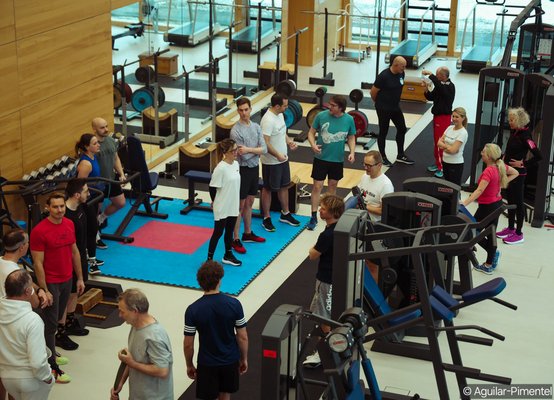
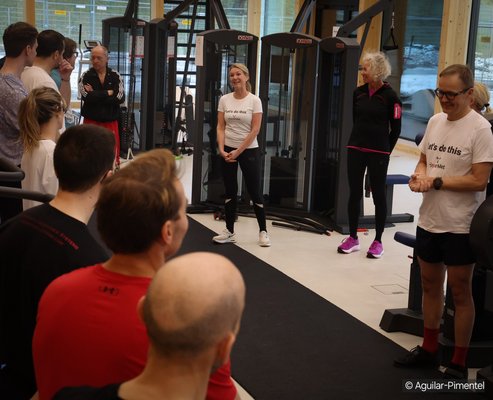
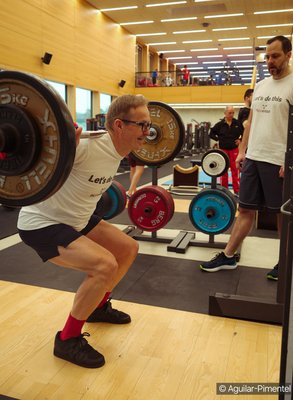
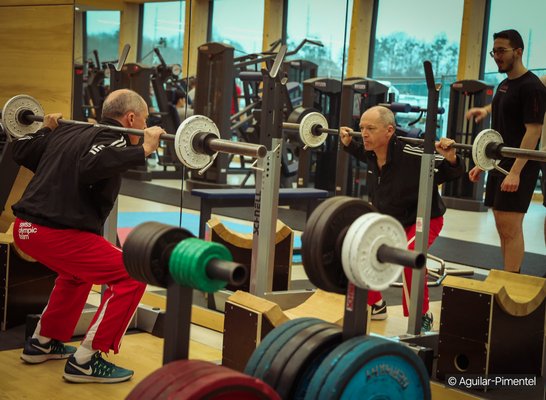
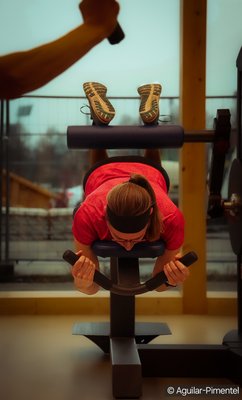
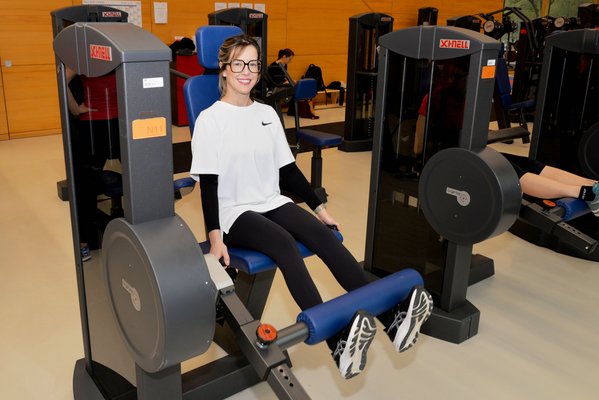
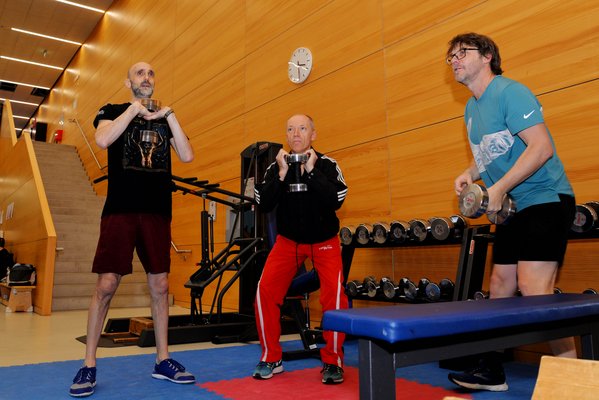
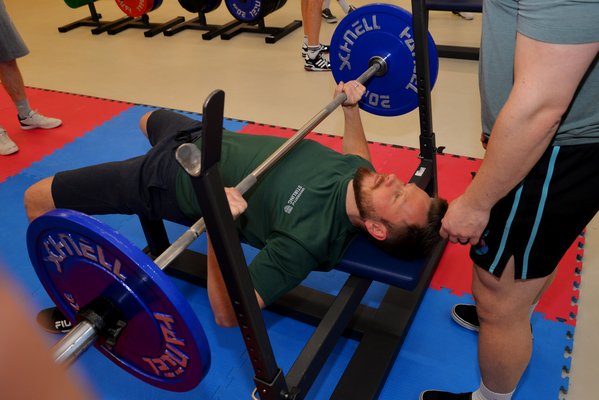



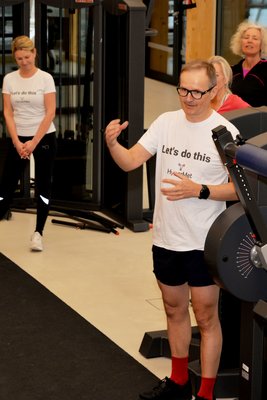
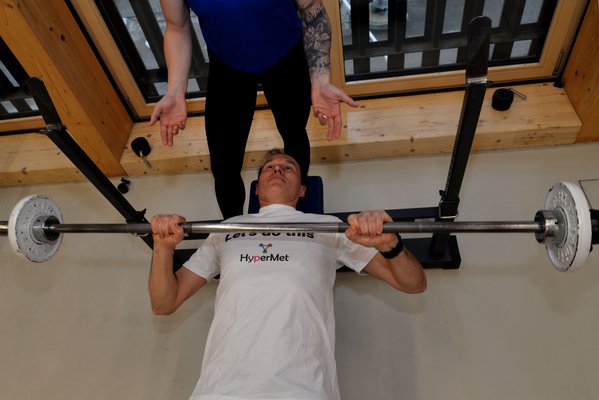
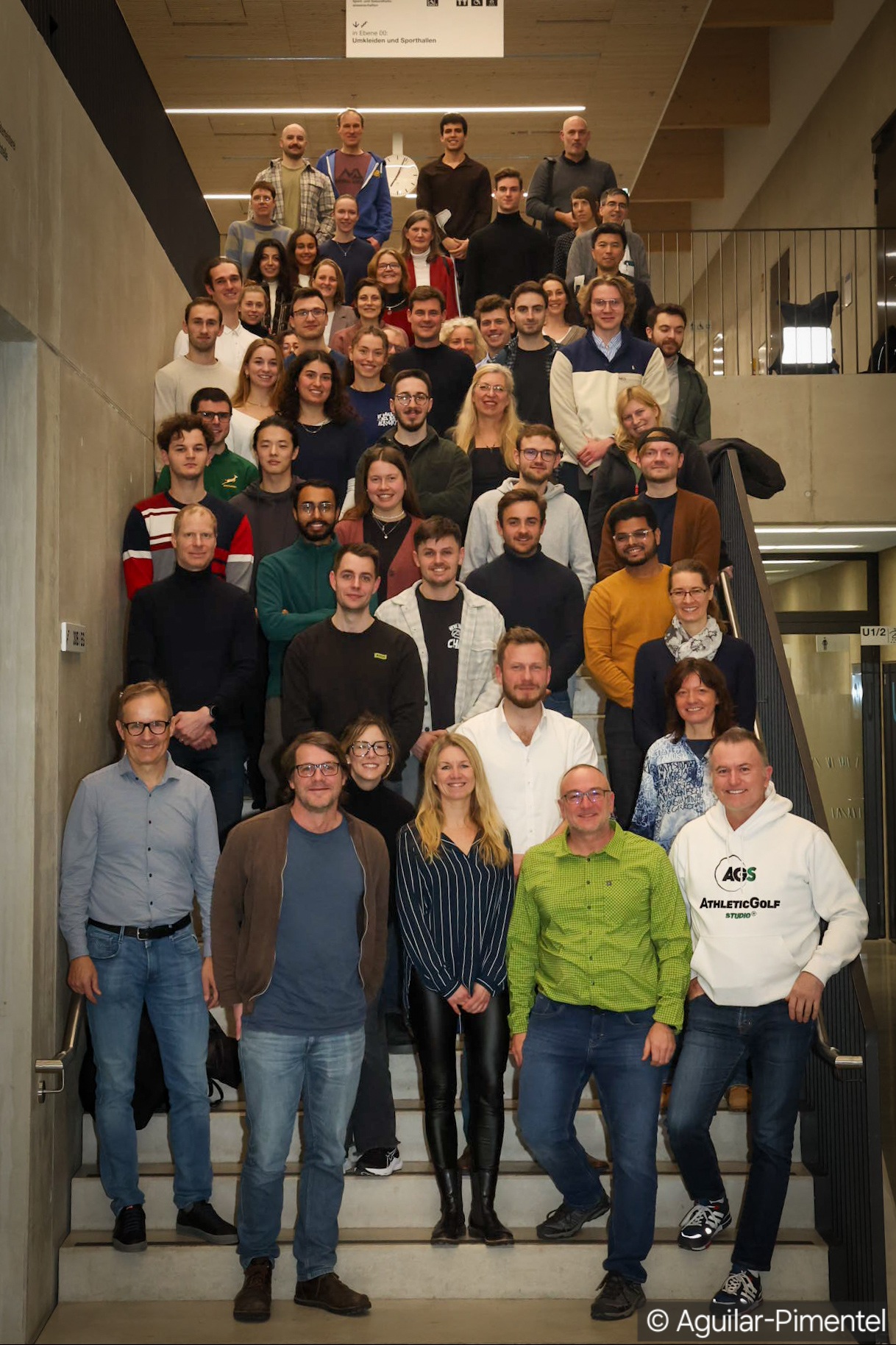
On the January 17th the DFG-funded HyperMet research unit celebrated the launch of 9 projects and of 8 years of research into the metabolic health effects of skeletal muscle hypertrophy and atrophy.
The HyperMet research unit is a DFG-funded consortium of 15 researchers based at the TU Munich, LMU, TU Braunschweig, University of Ulm and Helmholtz Munich. The aim of the HyperMet research unit is to investigate the metabolic health effects of skeletal muscle hypertrophy and atrophy on four levels (intramuscular, metabolite exchange, inter-organ metabolism, therapy) using advanced methods of metabolic research.
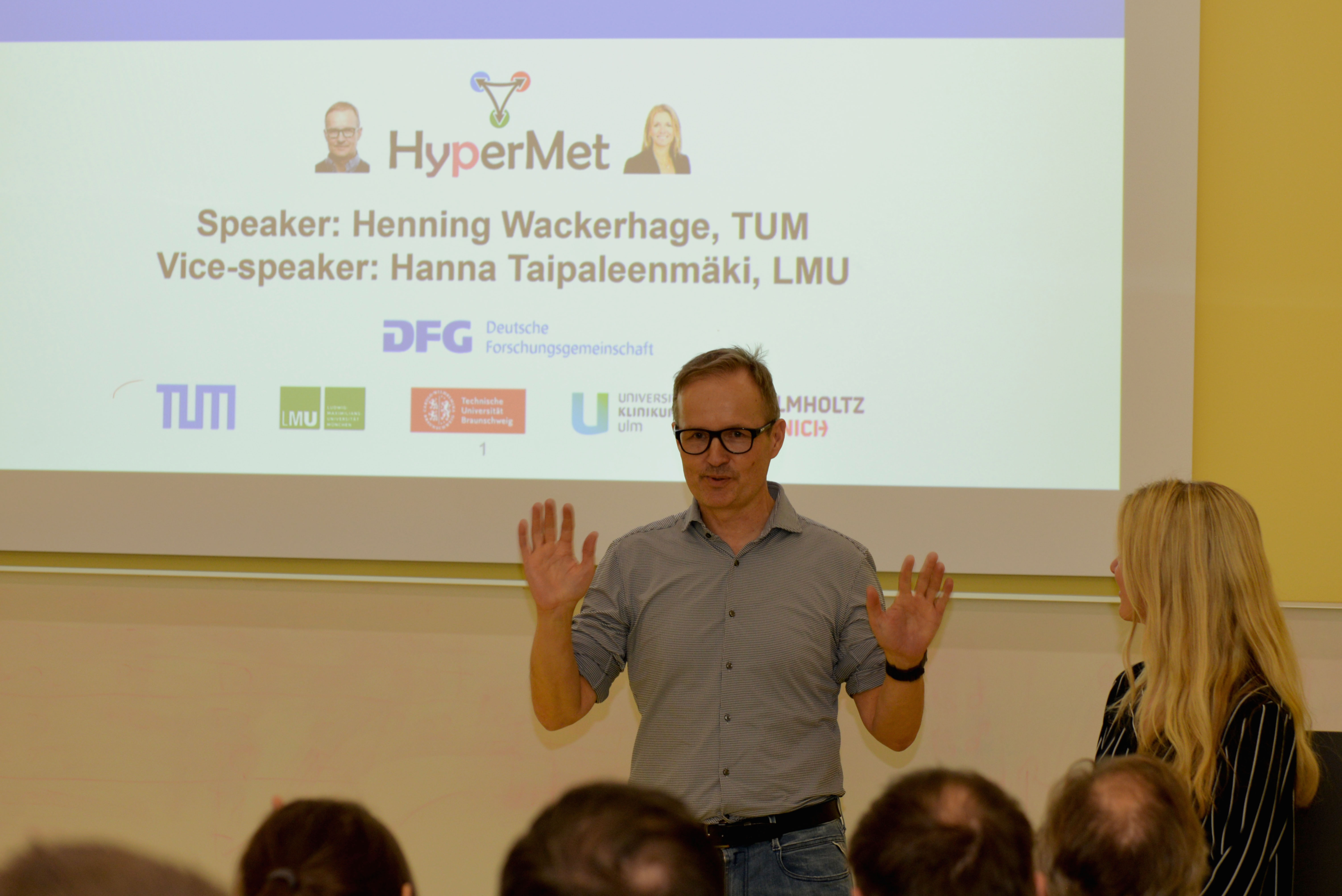
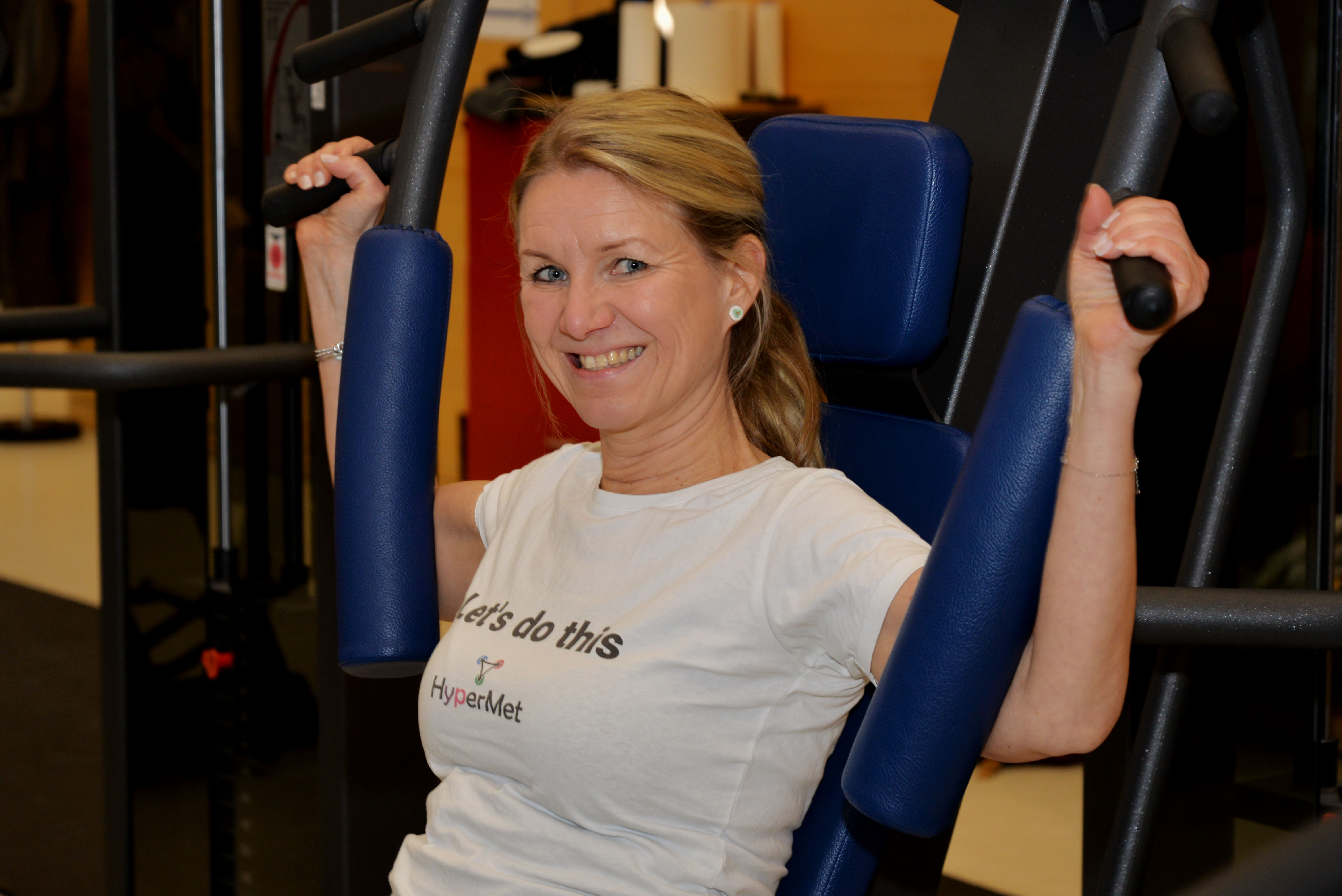
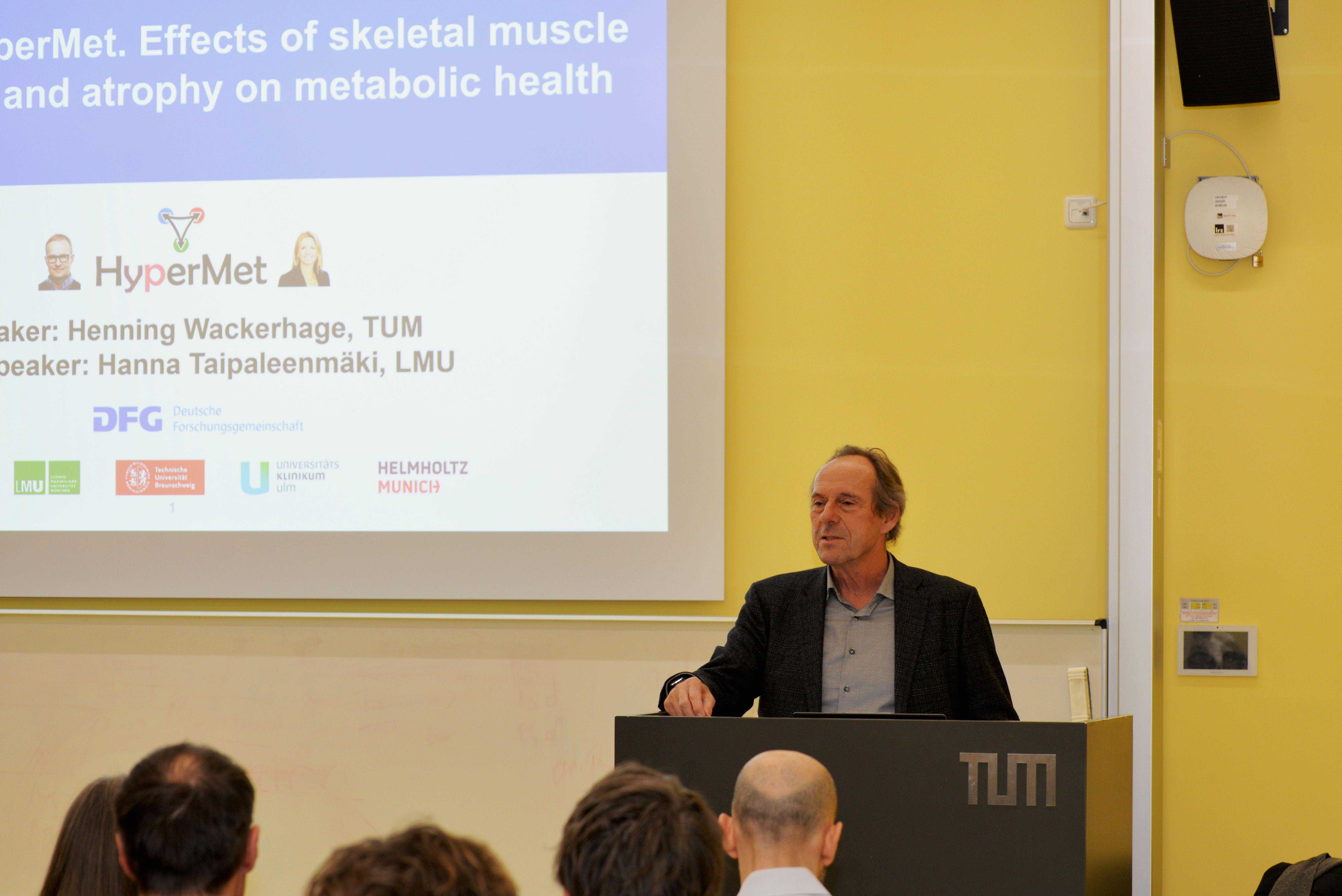
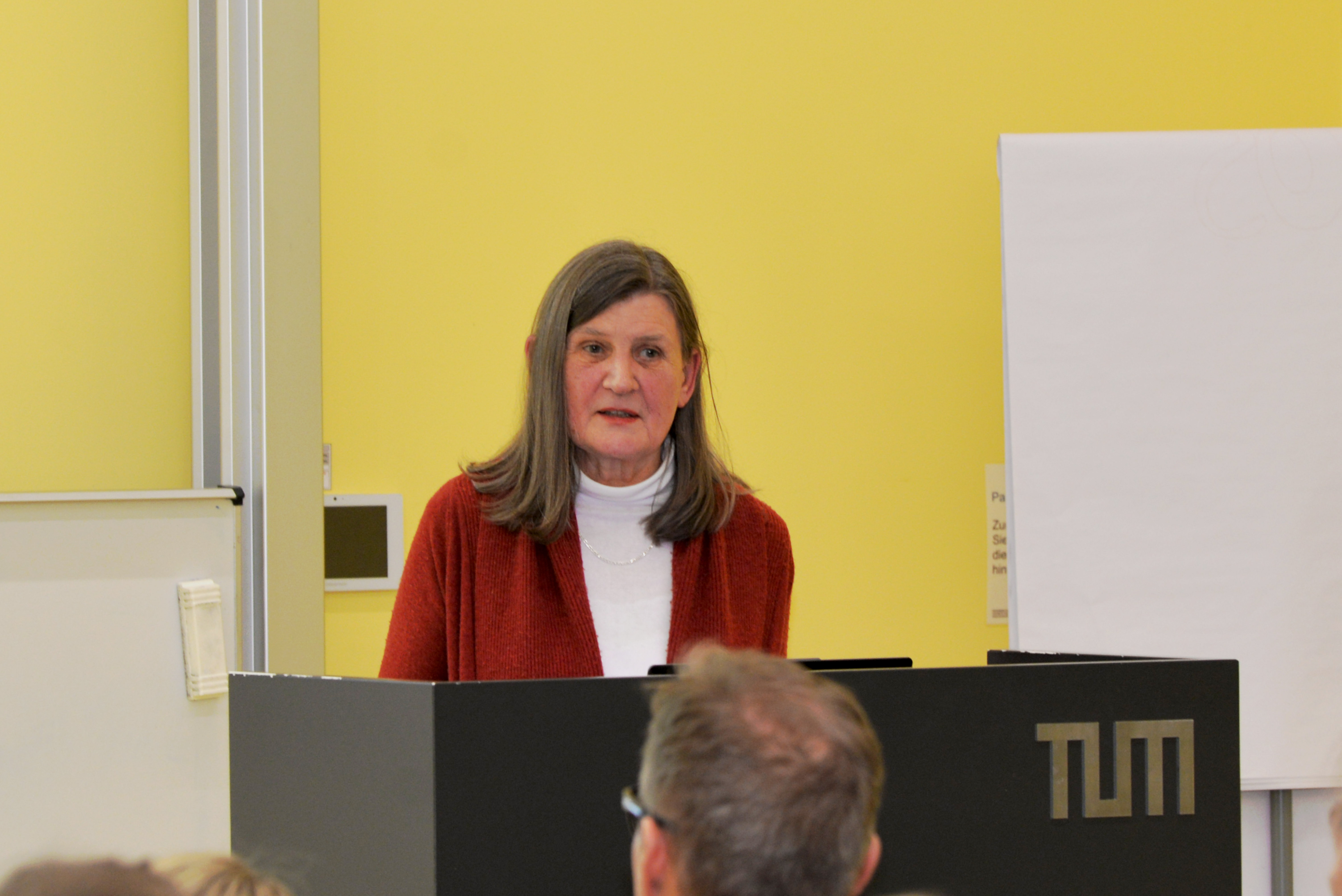
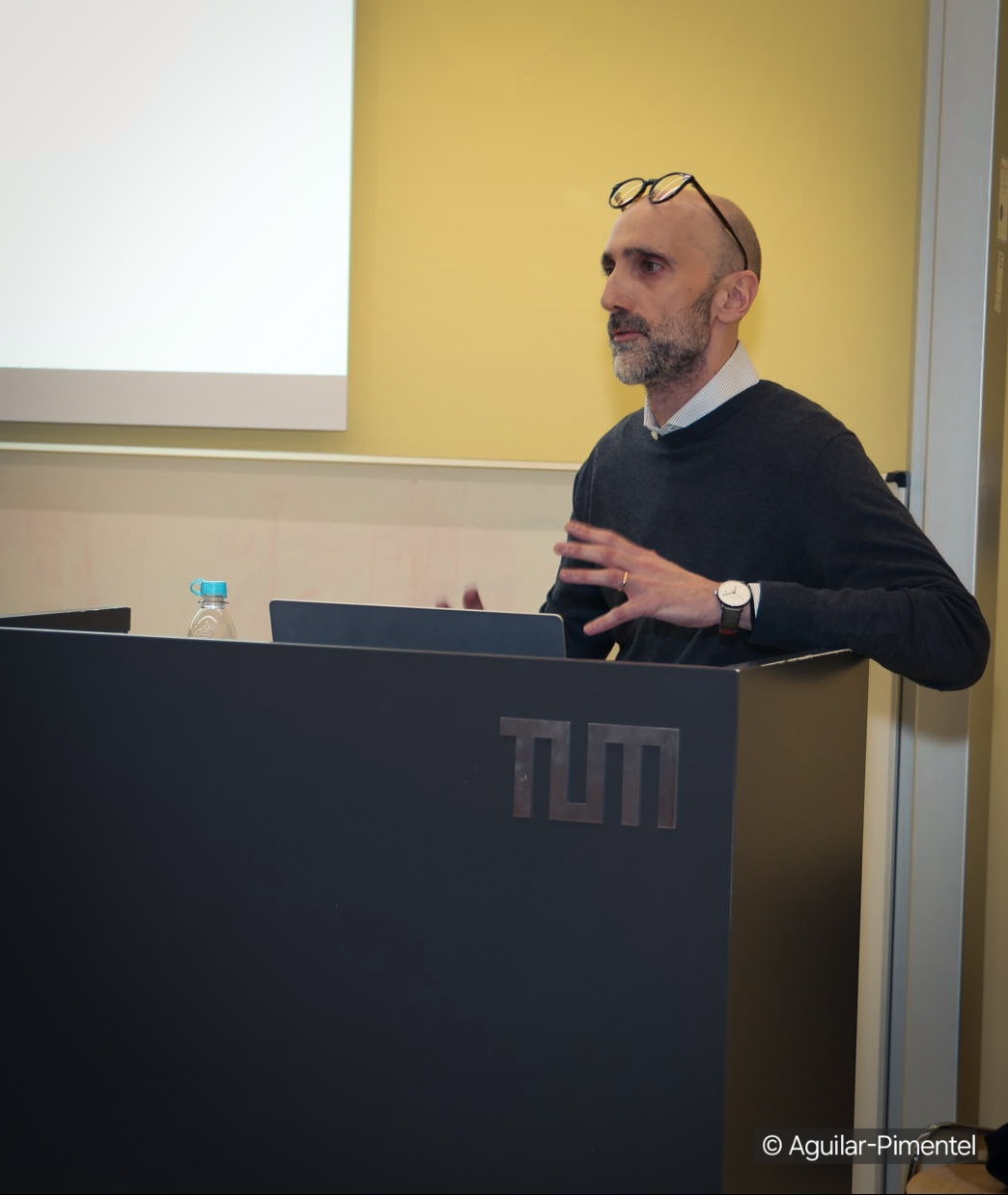
Following the workout, the scientific part of the event officially began with a warm welcome from Joachim Hermsdörfer, head of the department. He set the stage for an inspiring session, after which Hanna Taipaleenmäki and Henning Wackerhage introduced the vision behind HyperMet. They outlined our ambition to establish a leading center for advanced metabolic research, highlighting the urgent need for studies on muscle mass maintenance and its connection to metabolic health, especially in an aging society like Germany. Our mission is to produce world-class science on a socially relevant topic, build a state-of-the-art metabolic research infrastructure, effectively communicate our findings to the general public, and drive innovation and business opportunities.
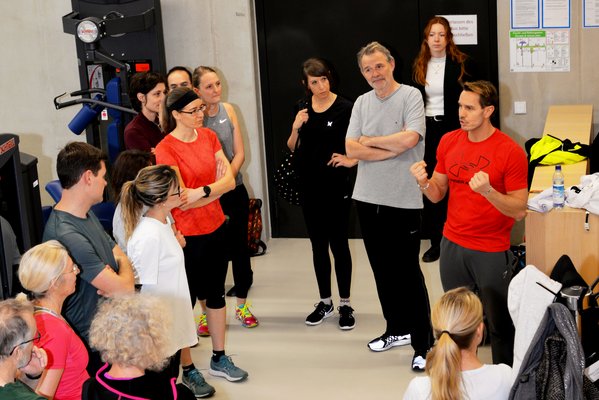
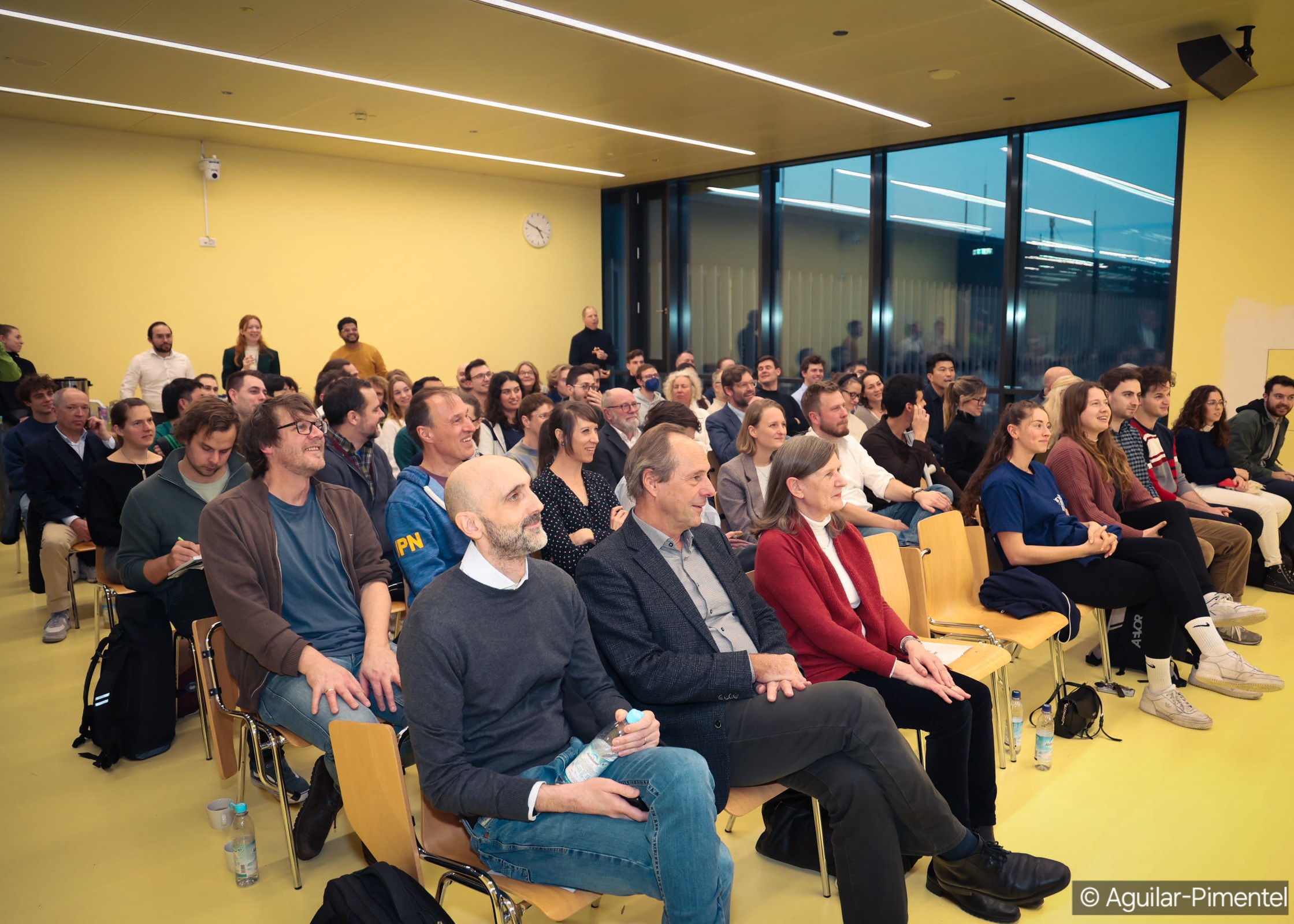
The second talk was delivered by TUM-PD Dr. Angela Otto, who highlighted the legacy of Otto Warburg, often considered the scientific forefather of metabolic research in growing tissues. The keynote lecture was given by Prof. Christian Frezza, a Humboldt Professor of Metabolomics in Aging at CECAD in Cologne, who demonstrated how advanced metabolic research methods can be used to investigate metabolic reprogramming in cancer. It was fantastic to see a full house on a Friday late afternoon, with around 80 attendees—including many of our students
We concluded the evening with a joint dinner and socializing in town, rounding off an energizing and inspiring event for the HyperMet research unit, which is set to officially launch on March 1, 2025. Moving forward, we aim to incorporate resistance training opportunities into our scientific meetings whenever possible, demonstrating our commitment in research to practice!
Images: Antonio Aguilar-Pimentel und Martin Schönfelder